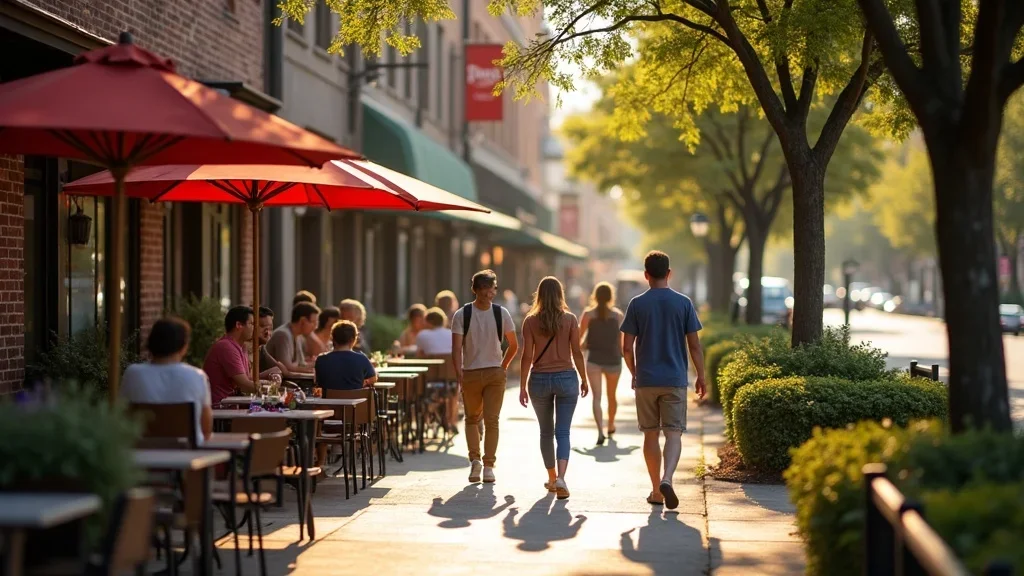
Houston residents know that staying ahead means embracing the city’s ever-evolving trends. From food to fashion, these local buzzwords reflect our unique energy and culture. Getting in on Houston trends connects you to the pulse of the city, making life here even more vibrant and exciting.If you step outside on a Thursday evening in Montrose, you’ll see packed patios brimming with laughter, friends drifting from taco pop-ups to hidden jazz sets, and neighbors weaving together entire evenings without ever leaving their home blocks. It’s not about the latest bar opening or a single must-visit hotspot. Right now, Houston trends are being rewritten by behavior itself: where you go, who you’re with, and how you experience the energy that’s unique to this city. It’s about loyalty to neighborhood, group outings over solo adventures, and a hunger for real, blended moments. If you want to feel connected, you have to know what Houstonians are really talking about, and living, today.What You'll Learn About Houston TrendsHow neighborhood-centered living is shaping the Houston social sceneWhy the Houston food scene is moving away from traditional dining nightsThe evolution and impact of patio culture on Houston nightlife trendsHow live music is fusing with dining, breweries, and the broader Houston cultureThe influence of Houston sports energy on nightlife and eventsHow local discovery is shifting away from tourist areas to neighborhood-driven experiencesThe role of Houston's entrepreneurial spirit in shaping local trendsNeighborhood-Centered Social Life Is a Defining Houston TrendNeighborhood loyalty is reshaping how Houstonians live, celebrate, and discover what’s new in the city. Houston trends reveal that more residents are choosing to spend full evenings in the same vibrant district instead of trekking across city sprawl or fighting traffic on I-10 or 610. Walkable neighborhoods like The Heights, Montrose, EaDo, Midtown, Upper Kirby, and segments of Downtown have evolved far beyond collections of homes in Houston, they’re living, breathing social circuits where everything you need can be found block by block.This pattern is especially distinct in the houston housing market, where mixed-use developments, corner cafés, live music bars, and independent restaurants are now key to neighborhood identity. Instead of relying on the city’s car-centric reputation, locals now seek out walkability. Residents plan nights that flow from shared plates at a neighborhood spot to live sets at a microbrewery, finishing with late-night eats at a food truck parked near their favorite lofts or bungalows.How Walkability and Mixed-Use Developments Are Changing the Houston Housing MarketHouston’s patchwork of districts like The Heights, Montrose, EaDo, Midtown, Upper Kirby, River Oaks, and Downtown has become more than just a grid of addresses, they’re now self-sustaining, experiential communities. The rise of restaurant-bar-live music combinations within these areas means weekends often begin and end a few blocks from home. Increased local focus has boosted loyalty and a deeper sense of belonging, leading more people to “put down roots” in specific neighborhoods.Increased loyalty to local neighborhoods like The Heights, Montrose, EaDo, Midtown, Upper Kirby, River Oaks, DowntownEmergence of restaurant-bar-live music combinations fueling Houston social sceneResidents planning entire evenings without leaving their neighborhoodA Heights resident shared, “All our Fridays start and end in the same few blocks, we rarely cross town anymore.”Food Experiences Are Transforming the Traditional Houston Dining SceneThe Houston food scene is moving towards experiences over formality. Food halls, communal tables, and spontaneous chef collaborations are inviting larger groups and creating memories that go beyond classic dining. Instead of polished, candlelit tables for two, Houston dining now thrives on quick pop-ups, multicultural feasts, and unexpected locations.Driven by the city’s status as one of America’s most diverse cities, flavor is now defined by neighborhoods like Chinatown, Asiatown, Mahatma Gandhi District, Spring Branch, and Midtown. Here, multi-generation families and recent newcomers alike bring unmistakable flavors and lively, cross-cultural gatherings, far from traditional “restaurant rankings. ” With food halls and group-oriented spaces, diners are ready to share plates and conversation, proving that Houston’s appetite is as dynamic as the city itself.How Food Halls and Shared Tables Redefine Houston Restaurant TrendsHouston’s dining venues are responding to community-driven cravings for spontaneity, variety, and inclusivity. Food halls gather global cuisines under one roof, feeding the demand for group tasting, chef collabs, and social discovery. Pop-ups emerge overnight, introducing limited-time bites from international hotpots, a direct reflection of the neighborhoods shaping the Houston food scene.Rise of food halls, chef collaborations, pop-ups, and group-friendly eatingInternational flavors from neighborhoods like Chinatown, Asiatown, Mahatma Gandhi District, Spring Branch, and MidtownHouston food scene now prioritizing spontaneity and experience over formality“Houston’s best food moments usually happen in the most unexpected places and with groups—not candlelit two-tops,” says a local chef.Neighborhood Dining Shifts: Traditional vs. Emerging Houston TrendsTraditionalEmerging Houston TrendsReservations at standalone restaurantsPop-up dinners, food halls, chef collaborationsDinner in formal dining roomsShared tables, group meals, community seatingTourist-focused restaurantsNeighborhood-driven international flavor hubsQuiet, structured eveningsSpontaneous, lively, cross-district experiencesPatio Culture Is Now Integral to Houston Nightlife TrendsIf you think Houston’s weather keeps people indoors, think again. Patio culture has become a defining feature of Houston nightlife trends, with locals braving humidity and heat to gather outdoors, often late into the evening. Restaurants, breweries, and bars are investing in misters, covered patios, and adaptable outdoor spaces, transforming “weatherproofing” into an art form.Where gathering once meant huddling inside to avoid relentless humidity, now the action unfolds around flexible, fan-cooled patios. Later dining hours and shifting seasonal patterns mean the crowds ebb and flow according to the forecast, with a new breed of Houstonians focused on experience first, weather second.Year-Round Gatherings and the Art of Outdoor AdaptationWhether it’s a steamy summer night in Montrose or a crisp fall evening in The Heights, Houstonians refuse to let weather dampen their spirits. The normalization of misting fans, shade sails, and climate-adapted designs means neighborhoods stay lively all year. This creates a city where outdoor dining, live music, and impromptu celebrations continue no matter the forecast, making patio culture a true lifeline for the Houston social scene.Restaurants, bars, and breweries investing in misters, covered patios, and flexible outdoor spacesLater dining hours and seasonal shifts in outdoor crowd patternsThe normalization of braving heat and humidity to keep the Houston social scene alive“We don’t cancel plans because of weather, we just move them outdoors later,” notes a Montrose bartender.Live Music and Social Entertainment Are Overlapping in New WaysHouston’s social scene is blurring long-standing lines. Why just choose between a bar, restaurant, or live music venue when you can have all three, and more? “Experience stacking” is now central to city culture, with destination nights built around places where food, drinks, music, and community buzz all collide under one roof.Blended venues, think breweries hosting live acts, restaurants with pop-up jazz nights, or patios doubling as concert spaces, are flourishing. This isn’t just about convenience; it’s a natural expression of what Houstonians want: variety, creative energy, and the freedom to let an evening evolve without crossing town or switching scenes.Experience Stacking: Dining, Drinks, Live Music, and MoreVenues leading today’s Houston nightlife trends aren’t tied to a single function, they curate ecosystems. People want to dine, dance, relax, and celebrate all in one place, and that’s exactly what the city’s trendiest hotspots provide. Blended experiences are especially popular on weekends, with entire groups moving effortlessly from dinner to local bands to after-hours cocktails, all within a couple blocks.Blended venues offering food, craft cocktails, and live entertainmentCommunities gravitating toward places where multiple experiences meetHouston nightlife trends now hinge on variety and energy“Every weekend, our friends want to bounce between brewery patios with band lineups and food trucks, there’s no staying in one lane anymore.”Houston's Sports Energy Drives Nightlife and EventsWhen the Astros are playing a primetime game or the Texans light up the schedule, you can feel the shift across Houston neighborhoods. The social energy that sports bring to restaurants, bars, and even pop-up events is impossible to ignore. In the greater Houston area, watch-party culture means game nights become excuse to fill patios, crowd local breweries, and sync weekend plans with sports calendars.This isn’t just about fandom, it’s about community. Whether high-fiving over burgers in a River Oaks sports bar, or joining chants in EaDo, Houston trends now show sports energy fueling weekend itineraries, last-minute group texts, and neighborhood event planning with a vibrancy that feels unmistakably local.How Astros, Texans, and Rockets Culture Shapes Houston Social SceneThe influence of sports reaches beyond stadiums and official merchandise shops. Every corner bar and local kitchen gets a boost on game nights, with televised events turning ordinary evenings into memorable celebrations. The city’s love for the Astros, Texans, Rockets, and even collegiate teams brings residents of all backgrounds together, creating a shared narrative that connects downtown skyscraper dwellers to families in Fort Bend County.Primetime game nights fill restaurants and bars citywideWatch-party culture integrates with neighborhood nightlifeSports schedules increasingly direct weekend event planningDiscovery in Houston: Moving Beyond the Tourist PathWhile places like the Galleria or Museum District have their draws, Houston trends reveal locals are now seeking experiences in the beating heart of smaller districts and neighborhood corners. Social media, group texts, and word-of-mouth friendships matter more than official guides. If your favorite pop-up or Saturday brunch spot feels unlisted, that’s probably by design: discovery is meant to be social, not just searchable.The most memorable Houston adventures now begin with a friend’s text or an insider tip, pushing explorers past well-known spots into creative, cozy, highly local spaces, sometimes just a short walk from home.Social Media and Word-of-Mouth Fuel Neighborhood Houston TrendsCommunity-driven recommendations are replacing pamphlets and out-of-town “best of” lists. From micro-districts in Montrose to new local favorites in Spring Branch, residents trust their networks to uncover the next can't-miss food truck or hidden music night. This new pattern puts power into the hands of locals and leverages the city’s diverse city energy, making every night out feel a bit more personal and connected.Growth of community-driven experiences and recommendationsEmergence of smaller districts outside Downtown, Museum District, and GalleriaHouston local trends now determined by personal networks and neighborhood loyaltyQuick-cut montage: trending Houston neighborhoods, food halls, patios, live music stages, sports bars, and pop-up events, set to energetic music showcasing the city’s authentic momentum.The Entrepreneurial Spirit Fuels Houston’s Most Interesting Local TrendsHouston’s spirit of innovation doesn’t just show up in tech startups or medical districts, it’s everywhere, from neighborhood pop-ups to artist-led markets. Local business support, creator collaborations, and new concepts carve space for ambitious people to shape their own scenes. These homegrown enterprises are the new drivers of houston lifestyle, keeping the city’s pulse dynamic and ever-changing.Whether it’s a weekend market, a new real estate project centered on community amenities, or a series of collaborative chef nights, entrepreneurship is the beating heart behind the city’s most exciting cultural and culinary shifts. The focus is on what’s local, authentic, and bold.From Real Estate to Pop-Ups: How Innovation Defines Houston CultureInnovation seeps into every corner, think of small business collaborations that set trends before the broader hospitality scene catches up. The “creator economy” is alive and well, with local support fueling the rise of pop-up markets, offbeat art nights, and innovative cuisine in every corner of the city. Even in the houston housing market, new mixed-use developments reflect this entrepreneurial approach, blending residential, retail, and social experiences for the next generation of city dwellers.Local support for independent businesses and concept collaborationsThe rise of creator-led events and pop-up marketsEntrepreneurial energy visible in cuisine, arts, events, and even houston housing market“Houston trends aren’t from the top-down, they bubble up from the ambitious people shaping their own scenes.”The Houston Trends on Everyone's MindWhat is the vibe of Houston, Texas?Houston’s vibe is entrepreneurial, lively, neighborhood-driven, and endlessly evolving, a city focused on experiences, authentic connections, and cultural fusion.What is going on in Houston, Texas right now?Right now, Houston trends emphasize local discovery, evolving food scenes, energetic nightlife, and a blending of traditional and contemporary cultural events.Is Houston growing or declining?Houston continues to grow, with new residents arriving, neighborhoods expanding, and a consistent influx of entrepreneurial innovation shaping the social landscape.Essential Houston Trends Lists: What’s In and What’s ChangingNeighborhood loyalty over city-wide venue-hoppingGroup outings at food halls and entertainment complexesAl fresco gatherings, no matter the seasonStacked experiences: live music with dinner and drinksSports-watch venues that double as nightlife hotspotsSocial discovery through friends, not guidebooksSupporting local, hottest venues aren’t the chainsFAQs: Houston Trends, Housing, and Local Experiences, AnsweredHow does Houston traffic affect social planning?Houston’s sprawling layout and frequent traffic mean locals usually plan social activities around specific neighborhoods, often choosing spots close to home or near their friends’ areas to maximize time together and minimize commute frustrations.Why are pop-ups and local creators so influential in Houston?Pop-ups and creator events allow Houstonians to try new food, art, or retail experiences firsthand, fostering tight-knit communities. Their grassroots nature reflects the city’s entrepreneurial spirit and gives residents fresh reasons to explore.What neighborhoods are considered trendsetters in Houston?The Heights, Montrose, EaDo, Midtown, Upper Kirby, and certain corners of Downtown are widely seen as bastions of new energy, setting the pace for food, music, and social trends in the city.How do international communities impact Houston food culture?Houston’s international communities bring diversity to the table, literally, introducing dishes and experiences from around the world, especially in neighborhoods like Chinatown, Asiatown, Mahatma Gandhi District, and Spring Branch.Is Houston nightlife more focused on experiences now?Absolutely, today's Houston nightlife trends anchor around “stacked” outings, where music, food, and drink mix fluidly, creating richer, community-driven nights that spotlight local energy over one-off venues.Key Takeaways on Houston Trends Locals LoveNeighborhood identity and loyalty are fueling new Houston trendsDining, nightlife, and entertainment are now blended social experiencesOutdoor living is essential, with patio culture anchoring the Houston lifestyleEntrepreneurship and diversity are at the heart of the city’s evolving cultureHouston trends are social shifts, not just new placesThe Future of Houston Trends: Where Local Energy Starts the ConversationHouston trends often begin in neighborhood spaces, whether a patio, pop-up, or chef’s table, long before they hit citywide buzz.Everyday social habits lay the foundation for what the city talks about tomorrow.To be a part of Houston’s momentum, keep your pulse on local behaviors and community gatherings.“The next must-see trend will start at the tables, patios, and corners Houstonians already love.”Stay Connected to the Latest Houston TrendsIf you enjoyed this story, why not stay connected? Join Houston Local Unplugged on Facebook and YouTube for exclusive local information. @houstonlocalunpluggedHouston trends start with us, by embracing community, creativity, and authentic moments, you help create the city’s next chapter.





Write A Comment