

The Rise of Wellness-Centric Design: Norton Rose Fulbright Tower
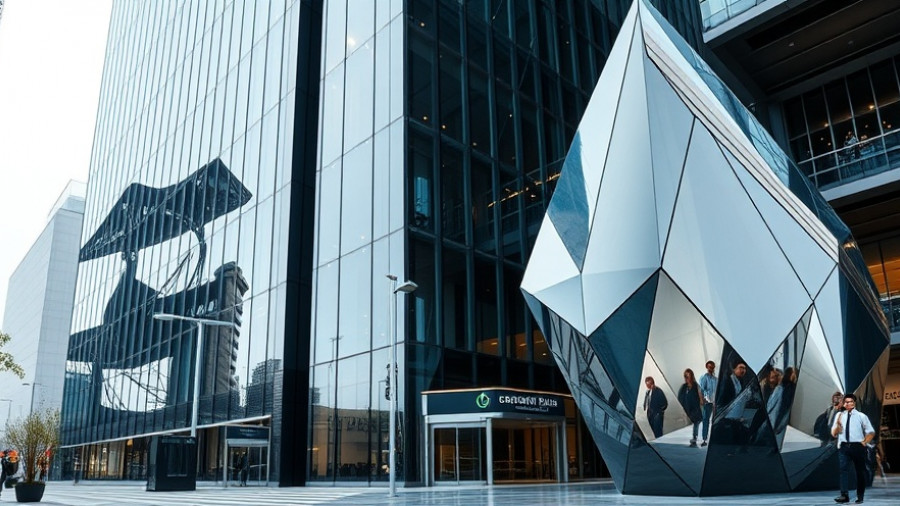
The new Norton Rose Fulbright Tower in Downtown Houston is more than just an office building; it stands as a testament to the integration of wellness-focused architecture within urban landscapes. Nestled alongside the scenic Discovery Green, this 28-story marvel designed by Swedens' Skanska and Denmark's Bjarke Ingels Group exemplifies biophilic design principles—a philosophy that emphasizes a connection to nature through architecture.
What is Biophilic Design and Why Does it Matter?
Biophilic design is a trend that has gained momentum during the past few years, particularly during the pandemic when many workers adapted to remote environments rich in natural light and greenery. Evidence from studies suggested that access to nature could enhance mental and physical well-being. As we navigate back to traditional office environments, buildings like the Norton Rose Fulbright Tower aim to bridge the gap between productivity and wellness.
Health Benefits Derived from Nature
According to Natalia Rodriguez, M.P.H., Project Director for the Methodist Center for Health & Nature, spending time in nature for even just fifteen minutes daily can significantly improve moods and cognitive functions. “Whether it’s feeling a breeze or gazing at greenery, these simple interactions with nature ground us and can boost our productivity,” she emphasizes.
Innovative Features of the Tower
The Norton Rose Fulbright Tower is also noteworthy for its certifications, holding WELL Building Standard Platinum certification and LEED Platinum V4 certification, among others. The 35-foot lobby welcomes visitors with nature-inspired designs, while three expansive terraces introduce diverse Texan biomes into the workplace, allowing for outdoor collaboration and community engagement.
Expanding on Community and Collaboration Through Design
Partner-in-Charge Carter Dugan highlights how these design elements foster collaboration and well-being. “Access to outdoor spaces and natural light is essential, not just for aesthetics but for our health and productivity,” he states. The various terraces offer unique environments—from shaded woodland areas to vibrant floral pollinator gardens, each designed to encourage staff interactions and provide a refreshing break from indoor confines.
Houston's Commitment to Sustainable Development
The development of the Norton Rose Fulbright Tower underscores Houston's commitment to sustainability. With its place among a select few buildings in Texas that have achieved such high certifications, it sets a precedent for future developments in the city. Buildings like these not only enhance the skyline but also aim to create a healthier urban habitat for Houstonians.
Join the Movement Towards Wellness in Urban Spaces
As more businesses look to establish spaces that prioritize health and wellness, it's essential for community members and future developers to engage in conversations around sustainable practices and the importance of biophilic design. It’s not just about aesthetics; it’s about creating environments that nurture body and mind.
If you enjoyed this story, why not stay connected? Join Houston Local Unplugged on Facebook and YouTube for exclusive local information. @houstonlocalunplugged


Write A Comment